
by Alex Phillips | Feb 12, 2025 | Pain
The Pudendal Nerve and Its Connection to Pain: How Abdominal Therapy Can Help If you have pelvic floor issues, sex is painful or you experience pelvic pain it might be because of a nerve in your butt you’ve never heard of before. As a holistic abdominal therapist trained in the lineage of Dr. Rosita Arvigo and the traditional wisdom of the Maya people, I have worked with many women experiencing unexplained pelvic pain. One of the key players in pelvic discomfort is the pudendal nerve – a vital yet often overlooked nerve that can significantly impact a woman’s quality of life if its flow is disrupted. What is the Pudendal Nerve? The pudendal nerve is a major nerve in the pelvis. It originates from the lower spine (S2-S4) and travels through the pelvic region, providing nerve flow to key structures such as the pelvic floor muscles, vaginal lips, urethra (the tube from your bladder to the entrance of your vagina), and anus. Essentially, it plays a critical role in sensation and muscle control in this sensitive area and if you’re experiencing pain or discomfort here or having urine leakage it’s worth learning more about this nerve. What Happens When the Pudendal Nerve is Blocked or Irritated? When the pudendal nerve becomes compressed, irritated, or blocked, it can result in a condition known as pudendal neuralgia. The pudendal nerve weaves in and out of various structures in your pelvis so it can be easy for tight muscles or blood vessels to affect the nerve. Pudendal neuralgia can cause a variety of distressing symptoms that might leave you feeling frustrated and unheard. The symptoms can be mistaken for other gynecological or urological issues, which can delay you getting the correct diagnosis and treatment. Common Symptoms of Pudendal Nerve Dysfunction: Chronic pelvic pain that gets worse when you’ve been sitting for long periods of time Burning, stabbing, or aching pain in your pelvis Pain in the perineum, vulva, clitoris, or rectum Numbness, tingling, or hypersensitivity in the genital or pelvic area Painful sex Difficulty emptying the bladder or feeling like you have to wee urgently Constipation or painful bowel movements What Causes Pudendal Nerve Dysfunction? Pudendal nerve compression or irritation can occur due to a variety of factors: Pelvic misalignment: Imbalances in the pelvic bones can create pressure on the nerve. Tight pelvic floor muscles: Chronic tension can compress the nerve. Childbirth trauma: The nerve can be stretched or injured during delivery. Surgery or scar tissue: Scars from pelvic or abdominal surgeries may restrict nerve flow. Prolonged sitting: Sitting for extended periods, particularly on hard surfaces, can compress the nerve. Falls or accidents: Trauma to the pelvis can damage the nerve pathway. Cycling and weight lifting: Both can compress the nerve if you do them for long periods of time How Can Sobada Abdominal Therapy Help? Sobada Abdominal Massage is a gentle and non-invasive approach to addressing pelvic pain and restoring the natural flow of energy, blood, lymph, and nerve impulses to your pelvic organs. This traditional therapy focuses on abdominal massage and pelvic alignment to release tension and support the body’s natural ability to heal. Here’s how abdominal therapy can help with pudendal nerve-related pain: Releases Tension in the Pelvic Floor: Through gentle external massage, the therapy helps relax and lengthen tight pelvic floor muscles, alleviating pressure on the pudendal nerve. Improves Pelvic Alignment: Misalignments in the pelvis can place undue stress on the nerve. By realigning the uterus, pelvis, and lower spine, abdominal therapy removes blockages and restores balance. Increases Circulation: Improved blood and lymph flow nourishes the tissues surrounding the pudendal nerve, reducing inflammation and encouraging healing. Addresses Scar Tissue: Abdominal therapy can help break down adhesions from past surgeries, which may be restricting the nerve pathway. Restores Nerve Flow: By improving overall pelvic health, the therapy supports the smooth flow of nerve signals to the pelvic organs. Promotes Relaxation: Stress and emotional tension can manifest as pelvic pain. Abdominal therapy nurtures the body-mind connection, encouraging a sense of calm and relaxation. A Holistic Path to Healing For women experiencing pelvic pain, particularly unexplained symptoms related to pudendal nerve dysfunction, Sobada offers a safe and effective path to relief. By honoring traditional wisdom and combining it with an understanding of pelvic anatomy, this therapy provides a holistic solution that addresses the root cause of discomfort rather than just masking the symptoms. If you suspect that pudendal nerve dysfunction may be contributing to your pelvic pain, I encourage you to explore the healing potential of Sobada. You don’t have to suffer in silence – there is hope, and there is...

by Alex Phillips | Feb 12, 2025 | Pain
Understanding Coccygeal Pain and How Abdominal Therapy Can Help Coccygeal pain can feel like an invisible burden that impacts your everyday life. Sitting for long periods, bending, or even simple movements can become a source of discomfort. Let’s explore what coccygeal pain is, what might be causing it, the symptoms it often brings, and how Sobada abdominal therapy—rooted in the lineage of Dr. Rosita Arvigo—can offer relief. What is Coccygeal Pain? Coccygeal pain refers to pain around the coccyx, which is your tailbone. This small, triangular bone at the base of your spine supports various muscles, ligaments, and tendons. Although it may seem insignificant, the coccyx plays a crucial role in stabilizing you when you sit and helps anchor important pelvic muscles. For women, tailbone pain can be especially challenging. Hormonal changes, childbirth, or injuries can exacerbate discomfort, affecting your daily activities and overall well-being. Despite its impact, coccygeal pain is often overlooked or misdiagnosed. What Causes Coccygeal Pain? Coccygeal pain can arise from several factors, including: Trauma or Injury: A direct fall onto the tailbone or repeated pressure—such as from cycling—can bruise or fracture the coccyx. Childbirth: During delivery, the coccyx can become strained, dislocated, or injured. Prolonged Sitting: Spending long hours on hard surfaces or sitting in poor posture can compress the coccyx, leading to pain. Pelvic Misalignment: Structural imbalances in the pelvis can shift pressure onto the tailbone. Tight Pelvic Floor Muscles: Overly tight muscles around the pelvis can pull on the coccyx and cause discomfort. Scar Tissue: Surgery or trauma can create adhesions that restrict movement and exacerbate pain. Degenerative Changes: Conditions like arthritis can affect the joints surrounding the coccyx. Sexual trauma: If you have experienced sexual trauma, your body may be holding onto the trauma in this area in the form of tight muscles. Unknown Causes: In some cases, the exact cause of coccygeal pain remains unclear, leaving women searching for answers. Symptoms of Coccygeal Pain in Women The symptoms of coccygeal pain can vary, but common complaints include: Aching, burning, or sharp pain around the tailbone, particularly when sitting. Pain that worsens when moving from sitting to standing. Discomfort during prolonged periods of sitting. Sensitivity or tenderness in the area around the coccyx. Pain that radiates to the hips, thighs, or lower back. Increased discomfort during menstruation or after childbirth. Difficulty with bowel movements due to tailbone pressure. Painful sex because certain positions and movements could be challenging For many women, this pain can feel isolating and difficult to explain. It’s difficult to talk about pain in this area and sometimes it can be hard to describe exactly where the pain is. It’s not uncommon to feel dismissed or misunderstood when seeking medical help. However, there are holistic approaches that can make a difference. How Abdominal Therapy Can Help The Sobada abdominal therapy is a gentle, non-invasive approach to addressing coccygeal pain. These techniques, inspired by traditional Maya healing practices and brought to the modern world by Dr. Rosita Arvigo, focus on restoring balance and flow to the pelvic and abdominal areas. Here’s how abdominal therapy can help relieve tailbone pain: Releases Tension in the Pelvic Floor: Tight or overactive pelvic floor muscles can pull on the coccyx, worsening pain. Sobada gently releases this tension, allowing the muscles to relax and reduce strain on the tailbone. Improves Pelvic Alignment: Misalignments in the pelvis often place undue pressure on the coccyx. By addressing these structural imbalances, abdominal therapy helps distribute weight evenly, alleviating pressure. Enhances Circulation: Better blood flow means improved oxygen and nutrients to the affected area, which promotes healing and reduces inflammation. Addresses Scar Tissue: Scars from surgeries, childbirth, or injuries can restrict movement and irritate the coccyx. Abdominal therapy breaks down adhesions to restore flexibility and movement. Promotes Relaxation: Stress can exacerbate physical tension, especially in the pelvic area. Abdominal therapy nurtures a connection between the body and mind, creating a sense of relaxation and well-being. Encourages Self-Healing: The therapy supports the body’s natural healing mechanisms, empowering you to take an active role in your recovery. What to Expect During Abdominal Therapy If you’ve never experienced abdominal therapy, you might wonder what it involves. Sessions are personalized to your unique needs, and the techniques are always performed externally. The focus is on gentle massage of the abdomen, pelvis and back, aimed at releasing tension, improving alignment, and supporting overall pelvic health. Even though I work with many clients who are dealing with chronic or acute pelvic and...
by Alex Phillips | Mar 17, 2024 | Fertility, Pregnancy
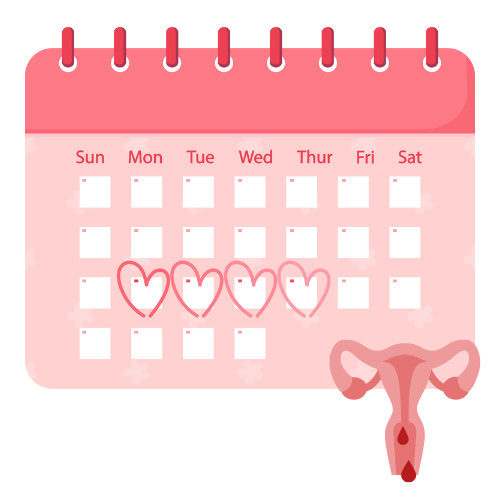
Do you need to know EXACTLY when you ovulate in order to get pregnant? The short answer is no and for many people that will be a surprise. Allow me to explain. The first thing many women do as soon as they decide they want to get pregnant is to buy some ovulation strips so they can see when they’re ovulating. More on ovulation strips and why you may not need them in a moment. If you’re trying to get pregnant, determining if you’re ovulating is IMPORTANT. However it’s more complicated than just peeing on ovulation strips. How to tell if you’re about to ovulate Leading up to ovulation, your body, specifically your cervix (the entrance to your uterus) produces fertile fluid. Thanks to gravity you may feel it at the entrance to your vagina (your vulva) and when you’re wiping after urinating. The tissue may glide smoothly instead of feeling dry. You may even see it on your underwear or be able to feel it with your fingers at the entrance to your vagina. It feels slippery and is often clear and stretchy like uncooked eggwhite. What’s this fertile fluid doing exactly? The purpose of this fertile fluid is to keep sperm alive. It literally changes the pH of your vagina to make it hospitable to sperm leading up to ovulation. Most of the month except for a few days leading up to ovulation, your vagina is inhospitable to sperm as it maintains a certain level of acidity in order to kill any bacteria that may find it’s way there. The fertile fluid also feeds the sperm providing them with nutrition on their travels towards the egg and opens up channels helping the sperm to get to their destination. Isn’t your body simply amazing!!! It really is and the more you understand the amazing changes that happen each month, the more you will be more impressed by your body and your fertility. Back to ovulation Once you can confidently recognise when your body is producing the fertile fluid I described above, you can know with a fair degree of confidence that your body is approaching ovulation. Having unprotected sex when you see fertile fluid is the KEY TO GETTING PREGNANT. More about ovulation strips (and why I don’t like them) The strips measure Luteinizing Hormone (LH) levels in urine. LH surges immediately before ovulation but only for a very short period of time. And that’s the tricky part. Often women start testing too early in the cycle and can spend a lot of time and money peeing on sticks in the hope of catching the LH surge without success. Or their timing is correct but because the increase in LH hormones is so short they just don’t happen to pee during that time and miss it. Either way it’s frustrating. The other issue is that even if you manage to get a positive result on the ovulation strip (ie you caught the LH surge) it doesn’t guarantee ovulation. So what is important to know if you want to get pregnant asap? Once you learn to recognise your fertile fluid you will always know when ovulation is approaching and it will be pretty hard to ignore. Most of my clients have told me they were shocked once they learned to identify it and that they hadn’t noticed it before. And then they were angry they were never taught this before. Especially when you can waste precious time when you’re trying to conceive. If you have unprotected sex a few times in the week leading up to ovulation (ie when you see fertile fluid) you are timing sex correctly to increase your chances of conceiving. If you’re interested in learning more, be in touch with me. I’d be happy to teach you how to recognise your fertile signs so you can get pregnant faster. I’m a holistic therapist and I am here to help you! I love helping women to overcome their fertility challenges and other issues related to your cycles, pregnancy, periods and/or anxiety. I treat women with abdominal and womb massage techniques known as Sobada (formally the Arvigo Techniques of Maya Abdominal Massage) and reflexology. I’m also an Advanced EFT Tapping practitioner and I work with women in particular issues around anxiety, depression, stress levels. I teach Fertility Awareness to help women better know their bodies and improve their chances of conceiving or prevent pregnancy naturally. I live in Modi’in, Israel and that’s where I spend my days helping women during their fertile years, pregnancy, menopause and other hormonal conditions. Bodywork sessions (massage and reflexology take place in my clinic in Modi’in but EFT Tapping sessions and Fertility Awareness education can take place online or in person). Learn more about working with me here. Send me a WhatsApp message...

by Alex Phillips | Mar 17, 2024 | Pregnancy
Essential oils for morning sickness Morning sickness affects approximately 50% of women during the first 3-4 months of pregnancy and anyone who has experienced it will agree that it’s unpleasant. Here are some essential oils that can help you: Ginger Spearmint or Peppermint Lavender Lemon Sweet orange Cardamom Sprinkle 5 drops total of one or more of the above oils on a tissue and inhale. At night you can place a few drops of one of these oils on your pillowcase (warning it may stain!) or on a tissue placed by your head while you sleep. Spearmint and peppermint are not recommended for use at bedtime as they are stimulating oils. Make a massage oil blend to decrease morning sickness: Add 50ml of a carrier oil (for example almond oil, grapeseed oil, olive oil or coconut oil) to a bowl or small bottle and add the following essential oils: 2 drops cardamom 2 drops ginger 4 drops lemon 1 drop peppermint 3 drops sweet orange Massage a tablespoon of the massage blend into your hand, neck and upper chest for a few minutes and inhale the lovely scent. Use essential oils in the bath: Add 2 drops of 2-3 of the essential oils above to a cup of full fat milk (a lot less messier than oil in the bathtub) and add to a warm bathtub of water. Disperse the milk in the water and relax in the bathtub for 20 minutes. Other suggestions: Eat small frequent meals to keep your blood sugar even. Drink ginger tea (freshly grated ginger in boiling water) Peppermint tea can also relieve nausea Avoid sugar, alcohol, caffeine and cigarette smoke. Take Vitamin B supplement with magnesium. Foods rich in vitamin B6 and magnesium include brewer’s yeast, sunflower seeds, soya seeds, brown rice. Walnuts, bananas, salmon, tuna, chicken and wheatgerm. Place a small snack like crackers by your bed to eat before you get up in the morning I offer Sobada pregnancy abdominal massage treatments with reflexology to help you feel some relief from morning sickness. I know it’s not easy but remember that morning sickness is a good sign that the placenta is implanted. And in most cases morning sickness passes by the 4th month. Enjoy the rest of your pregnancy. I’m a holistic therapist and I am here to help you! I love helping women to overcome their fertility challenges and other issues related to your cycles, pregnancy, periods and/or anxiety. I treat women with abdominal and womb massage techniques known as Sobada (formally the Arvigo Techniques of Maya Abdominal Massage) and reflexology. I’m also an Advanced EFT Tapping practitioner and I work with women in particular issues around anxiety, depression, stress levels. I teach Fertility Awareness to help women better know their bodies and improve their chances of conceiving or prevent pregnancy naturally. I live in Modi’in, Israel and that’s where I spend my days helping women during their fertile years, pregnancy, menopause and other hormonal conditions. Bodywork sessions (massage and reflexology take place in my clinic in Modi’in but EFT Tapping sessions and Fertility Awareness education can take place online or in person). Learn more about working with me here. Send me a WhatsApp message...

by Alex Phillips | Mar 17, 2024 | Fertility
Aromatherapy during fertility treatments including IVF treatments. Essential oils can be a wonderful way of supporting yourself physically and emotionally while trying to conceive and during medicated fertility treatments. However, while essential oils are natural they are also highly concentrated and they need to be used with caution especially while taking hormones during fertility treatment and in the early stages of pregnancy. Aromatherapy during fertility treatments When you’re taking hormones during fertility treatments it’s important to be careful using essential oils that may have an effect on your hormones when used directly on the skin. Unfortunately, there doesn’t seem to be much proper research on the topic of essential oil use during fertility treatments like IVF How I use essential oils professionally with fertility clients: When I am working with clients during fertility treatments I choose oils mainly to help support you where you are in your fertility treatment and provide emotional support for the rollercoaster of emotions that can occur during fertility treatments, in particular IVF. I use fewer essential oils and lower amounts and I avoid oils that directly affect the endocrine system (which produces hormones). For home use of essential oils during fertility treatments I highly recommend vaporising oils during this time to help yourself to feel calmer and more relaxed during a stressful process. If you want to relax: Oils like lavender, frankincense, geranium and citrus oils like lemon, orange and grapefruit can be very helpful used in an essential oil vaporiser. If you need a pick me up: Vaporising a drop of spearmint or peppermint oil with lemon can be stimulating and refreshing. While waiting: A drop of lavender or frankincense on a tissue tucked into your bra while waiting your turn for medical tests and procedures can be calming and relaxing. The two week wait: I highly recommend using essential oils to relax during the nerve wracking wait between ovulation or an embryo transfer and being able to test if you are pregnant. For many women this is a challenging period of time when there isn’t much to do except wait. Since smell is highly personal, choose the oils that make you feel relaxed and calm. Vaporise them in the room you are in, put on some of your favourite music and take some nice slow deep breaths to calm and soothe your nervous system. I’m a holistic therapist and I am here to help you! I love helping women to overcome their fertility challenges and other issues related to your cycles, pregnancy, periods and/or anxiety. I treat women with abdominal and womb massage techniques known as Sobada (formally the Arvigo Techniques of Maya Abdominal Massage) and reflexology. I’m also an Advanced EFT Tapping practitioner and I work with women in particular issues around anxiety, depression, stress levels. I teach Fertility Awareness to help women better know their bodies and improve their chances of conceiving or prevent pregnancy naturally. I live in Modi’in, Israel and that’s where I spend my days helping women during their fertile years, pregnancy, menopause and other hormonal conditions. Bodywork sessions (massage and reflexology take place in my clinic in Modi’in but EFT Tapping sessions and Fertility Awareness education can take place online or in person). Learn more about working with me here. Send me a WhatsApp message...
 English