
by Alex Phillips | Aug 7, 2022 | Pregnancy
Breech birth By about 36-37 weeks most babies are lying in the head-first position ready for their birth. However, a small percentage (3-4%) of babies will be lying with their bottom first or feet first in the womb. This position is called the breech position. During your pregnancy, your health care provider will be checking that your baby is in a head down position which is the most common position for a baby to be in before birth. While there are a few places in Israel that will allow breech vaginal births under special circumstances, in most hospitals, it is not allowed. This can causes much stress for women who find themselves with the baby in the breech position during late pregnancy. It’s possible that your baby will move into a head down position before the birth. It’s not your fault and there are some things you can do to encourage your baby into a head down position before labour begins. Why is my baby in a breech position? Some common reasons for your baby being in a breech position are: Lack of room to move: As the baby grows there is less chance they will turn simply because there is less room in your uterus for them to move around. Ligaments holding your uterus are tight and strained: Sometimes the issue is that the ligaments holding the uterus above your pelvis are tight and aren’t allowing your baby to move into a head first position or the angle of your uterus doesn’t allow the baby to move. Placenta location: a low lying placenta that covers the cervix (also know as placenta previa) or nearby may prevent your baby from moving into a head down position. Too little or too much amniotic fluid: not enough fluid may make it hard for your baby to change position while too much amniotic fluid means the baby too much space and can flip between breech and a head-down position. The umbilical cord: may be too short to allow your baby to move into a head first position or it’s wrapped around your baby’s arm or neck and doesn’t allow for much movement. The size and shape of your uterus: Although your uterus is expanding a great deal to accommodate your growing baby, it’s original shape may also impact how easy it is for your baby to be head down. Multiple babies: when you are carrying more than one baby, it’s not uncommon that one will be in a breech position simply due to a lack of space. Holistic treatment for breech babies: If you read the list of reasons why your baby might be breech, it’s pretty clear that we don’t have control over many of the reasons. However, we can relax and soften the ligaments and muscles holding and supporting the uterus and encourage the uterus into the best possible position. Many times when this happens, the baby has space to move and turn into a head down position as your due date approaches. Emotional reasons for a breech position: After working with many women at the end of pregnancy who were desperately trying to turn their breech babies, I think there is also an emotional part of why babies may be breech. In the breech position, they are closer to their mother’s heart. Often these women have had stressful pregnancies because of fears that the baby isn’t healthy, health issues the mother is dealing with, they have experienced infertility and the pregnancy is extremely precious or they are dealing with a stressful life situation that’s not related to the pregnancy. I have some visualisation and connection exercises that are very helpful in helping the baby and mother connect but communicating clearly that the baby is safe and encouraging them to turn. This works very well with the bodywork to turn a breech baby that I mentioned above. . I’m a holistic therapist and I am here to help you! I love helping women to overcome their fertility challenges and other issues related to your cycles, pregnancy, periods and/or anxiety. I treat women with abdominal and womb massage techniques known as Sobada (formally the Arvigo Techniques of Maya Abdominal Massage) and reflexology. I’m also an Advanced EFT Tapping practitioner and I work with women in particular issues around anxiety, depression, stress levels. I teach Fertility Awareness to help women better know their bodies and improve their chances of conceiving or prevent pregnancy naturally. I live in Modi’in, Israel and that’s where I spend my days helping women during their fertile years, pregnancy, menopause and other hormonal conditions. Bodywork sessions (massage and reflexology take place in my clinic in Modi’in but EFT Tapping sessions and Fertility Awareness education can take place online or in person). Learn more about working with me here. Send me a WhatsApp message FollowFollow Testimonials I did a series of treatments with Annette during pregnancy and close to my due date. Annette is amazing! This treatment is not like any treatment or touch I have ever experienced. It’s an energetic treatment, Annette’s touch contains her heart and soul and it’s felt strongly. The treatment is full of...

by Alex Phillips | Aug 7, 2022 | Pregnancy
Pelvic Pain Are you suffering from pelvic pain during pregnancy? Symptoms of Symphysis pubis dysfunction (SPD) Does it feel like a stabbing pain in the front center of your pubic bone? Extreme lower back pain? Do you have pain in the area between your anus and your vagina (your perineum)? Sometimes even your thighs hurt You feel a clicking or grinding in your pelvis? Specifically when you’re: walking going up or down stairs putting your weight on one leg turning over in bed Getting in and out of a car If you’re nodding your head, then it could be you are suffering from Symphysis pubis dysfunction (SPD) which occurs during pregnancy. Sometimes it’s called pelvic girdle pain. While SPD isn’t harmful to your baby it can be extremely painful for you and it may affect how active and mobile you can be during your pregnancy. What causes Symphysis pubis dysfunction (SPD)? Your pelvis is made up of three bones attached to one another by strong ligaments and joints to allow movement. The three bones are the sacrum at your lower back and the two hip bones which are connected by the sacro-iliac joints. At the front of your pelvis, these bones are connected by a ligament called the symphysis pubis. Normally the ligaments of the pelvic girdle are not very flexible but the increase in the hormone relaxin during pregnancy loosens the ligaments and muscles in order to widen your hips and allow for the baby to pass through easily during labour and birth. However, it also means that your hips and pelvis feel more mobile and unbalanced during the pregnancy which can cause pain. The baby’s weight and the way it’s lying and the position of your uterus in your pelvis can all contribute to pelvic pain during pregnancy. If the uterus is leaning to one side, it can stretch and strain the muscles in your pelvis. If you’ve previously experienced pelvic pain and other signs of pelvic imbalance and/or difficult births you may be at greater risk of developing Symphysis pubis dysfunction (SPD) during pregnancy. Unfortunately, without treatment, the symptoms of SPD tend to worsen as the pregnancy progresses and the baby’s weight increases. In addition to pain, you may also find you’re: Having trouble peeing or pooping Feeling fatigue even though you are sleeping okay Hearing a clicking or grinding sound from your pelvis Today, we understand more about more about the impact of pain on mental health and even postpartum depression. Finding relief from the pain is as important for your mental and emotional health has it is for your physical body. Holistic treatment for Symphysis pubis dysfunction (SPD) Sobada Massage therapy and reflexology can be extremely helpful in relieving pelvic pain during pregnancy including Symphysis pubis dysfunction (SPD). The treatment, which includes massage over your belly, hips and back helps relax the muscle strain and tightness in the pelvis, lower back and upper thighs and lengthen the other muscles around the pelvis to help your body adapt to the increasing weight of your baby. Womb massage in particular during pregnancy focusses on supporting the ligaments holding your uterus and encouraging your uterus into the best possible position. This allows you to enjoy your pregnancy pain free, encourages good blood flow to the uterus and growing baby who is receiving all it’s nutrients via the your blood. Poor blood circulation around your pelvis can mean your baby isn’t receiving all the nutrients it needs and/or being able to freely eliminate waste products. In addition, if your uterus is better aligned it can reduce the length of your labour and prepare for a smooth birth. “I have had SPD in all 4 pregnancies. Third I couldn’t move without wanting to cry from 14 weeks on. But during the fourth I went straight to Annette when the SPD just started and I could go running till the Dr said I needed to stop. Could keep up with my 3 very active kids and had all in a great pregnancy with the rare few hours of SPD pain. Annette worked wonders for me. Wish I had met her before the previous pregnancies.” Elisheva Obrasky Supportive treatment for Symphysis pubis dysfunction (SPD) In addition to Sobada massage that can be very helpful in relieving pelvic pain during pregnancy, there are some other things you can do to help yourself: When getting out of the car, rotate your whole body and legs out, place both feet on the ground and then stand up. Support your belly with a belt or long scarf called a faja while standing Rest as much as possible Keep your legs together when turning from side to side while lying down Avoid lifting heavy things Get dressed while sitting in a chair or on the edge of your bed in order to avoid having to stand on one leg at a time Is it really Symphysis pubis dysfunction (SPD) or is it round ligament pain? After treating many pregnancy women over the years I’m not 100% convinced that what is often diagnosed as Symphysis...
by Alex Phillips | Aug 7, 2022 | Pregnancy
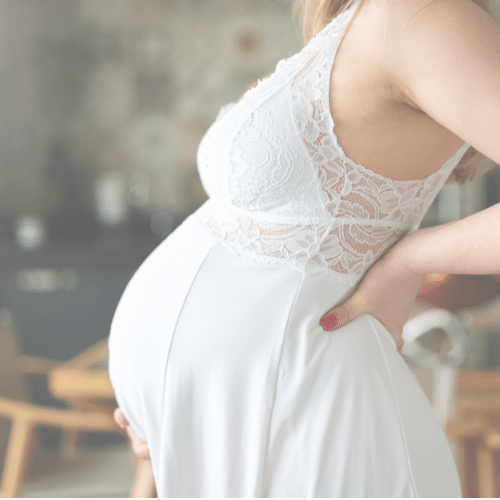
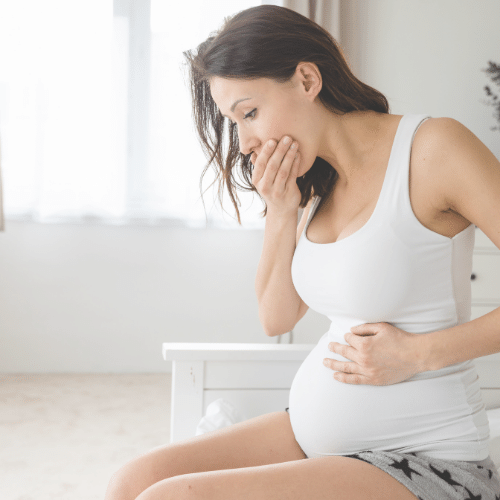
First Trimester Congratulations! You’re pregnant. Most likely you’re feeling a roller coaster of emotions including excitement, fear, joy, worry and apprehension all rolled into one. You might also be feeling exhausted, nauseous. Your breasts feel like they’re going to explode. You feel very emotionally vulnerable and every twinge in your pelvis sends you running to see if your period has started. This is all normal. Some women don’t feel much of anything the first trimester and some women seem to experience everything. Wherever you are on the spectrum, it’s okay. Every pregnancy is different and every woman’s experience of pregnancy is different and often a woman’s experience in different pregnancies are different. When is the first trimester? Pregnancy is approx 40 weeks. When you find out you are pregnant, you get your due date which is based on when you last had your period and/or your ovulation date (or date of embryo transfer). The first trimester includes the first 13/14 weeks of your pregnancy. Usually by the time you find out your pregnant, you’re already four or more weeks pregnant because Week 1 is when you had your period. Changes for the mother: Naseau/Morning sickness: The most common symptom that women experience in the first trimester is morning sickness and/or nausea. You may experience anything from mild feelings of nausea to severe and regular vomiting. You may not be able to keep fluids down and it’s important that you make sure you are getting enough fluids to avoid dehydration. Indigestion, constipation and gassiness: due to the softening and relaxing of the smooth tissue so the uterus can expand other organs are also affected. The passage of food along the digestive tract slows down and that can sometimes cause digestive issues. Exhaustion: It takes a lot of energy to grow a baby and it’s normal to feel tired and lacking energy. This is the time to say no to as much as you can, rest as much as you can and go to bed early. Frequent urination: often one of the first signs that you may be pregnant is an increase in urination. There is an increase in fluids in the body and your uterus which sits just above the bladder is now larger (and growing) to accommodate the baby. Sometimes this extra pressure on your bladder can cause you to need to urinate more frequently. Keep drinking even if it means frequent toilet trips. Heavy and/or sore breasts: During pregnancy the weight of each breast increases by about half a kilogram! Amazing, there is a lot of breast development in the first trimester and it’s normal to find that your regular bras no longer fit. Higher levels of the hormone progesterone may also make your breasts extra sensitive or sore. Make sure your bras aren’t too tight and if it’s comfortable for you, feel free to go braless as much possible. Physical support while you’re pregnant I tailor my treatments especially for you combining the Sobada techniques of Maya Abdominal Massage and reflexology specifically for pregnant women. The treatment reduces lower back pain and the heaviness of your growing belly and helps prepare your body for a faster and easier birth. The womb and back massage helps to strengthen the uterus and all the ligaments supporting it and supports all the changes happening in your body including increasing blood flow to the uterus and growing baby. I incorporate hand and foot reflexology to help relieve symptoms like nausea, constipation, tiredness, heartburn, headaches and give you a feeling of calm and relaxation. Emotional support while you’re pregnant My treatment room is a safe place to share your emotions and receive practical tools to cope with everything you’re feeling at the moment. While it’s normal to feel some fear in early pregnancy, I believe it’s important to get support if it’s occupying too many of your thoughts and interfering with your everyday life. One of my favourite things to do in early pregnancy (although it’s relevant at all stages) is help you to connect to your baby. When you’re newly pregnant and especially when there are doubts about the pregnancy or you’re coping with a high risk situation, this can be challenging but in my experience and my client’s experiences it is empowering and helpful in maintaining faith in the wellbeing of your baby and the pregnancy. I can also help you navigate those early decisions about choosing caregivers during pregnancy and connect you with my network of professionals. I have supported tens of women through early pregnancy so they can feel more calm and confident. Often this support is a natural extension of the support I provide while women are trying to conceive but I also work with new clients during the first trimester. Is treatment safe in the first trimester of pregnancy? I’m so glad you asked. Since deciding that I want to specialise in working with women throughout their life cycle, including...
by Alex Phillips | Aug 7, 2022 | Pregnancy
Back Pain Back pain during pregnancy can be especially challenging. Maybe some of your go to strategies aren’t allowed during pregnancy and the thought of suffering like this until the birth is driving you crazy. What causes back pain during pregnancy? Your center of gravity is changing: Let me explain why back pain during pregnancy is very common. As your belly expands with your growing baby your center of gravity changes. You may find yourself walking and standing differently and that can create strain on certain muscles and ligaments especially lower back pain, painful hips, rib pain and leg cramps. Everything is getting more and more flexible In addition, your body is producing hormones (relaxin) to deliberately soften the tissues and ligaments to allow for your growing baby, to widen your hips to make it easier for you to give birth and allow for all the changes during pregnancy. However, that can put strain on the joints in your back and pelvis. Your breasts have grown During pregnancy the weight of each breast increases by about half a kilogram! As a result, you may find yourself compensating by pulling your shoulders forward stretching the muscles in your upper spine leading to back and neck pain. The baby’s position can cause pain The way your baby is lying in your uterus and the way your uterus is positioned in your pelvis can both contribute to back and pelvic pain. Your uterus is held in place in your pelvis by ligaments some of which have to stretch considerably during pregnancy. All the uterine ligaments are under a certain amount of strain during pregnancy while they support your growing and heavy uterus. Sometimes you may feel pain where the ligament attaches to your body eg under your ribs or in your pelvis or in organs that are near the attachments. Even though all these changes might be natural, you don’t need to suffer. How can treatment help with pregnancy back pain? Massage and reflexology are great treatments for helping your body cope with the changes in your body, relax tight muscles and encourage your uterus into a better position in order to reduce pain. Womb massage in particular during pregnancy focusses on supporting the ligaments holding your uterus and encouraging your uterus into it’s best possible position. This allows you to enjoy your pregnancy pain free, encourages good blood flow to the uterus and growing baby who is receiving all it’s nutrients via the blood. In addition, if your uterus is better aligned it can reduce the length of your labour and prepare for a smooth birth. I’m a holistic therapist and I am here to help you! I love helping women to overcome their fertility challenges and other issues related to your cycles, pregnancy, periods and/or anxiety. I treat women with abdominal and womb massage techniques known as Sobada (formally the Arvigo Techniques of Maya Abdominal Massage) and reflexology. I’m also an Advanced EFT Tapping practitioner and I work with women in particular issues around anxiety, depression, stress levels. I teach Fertility Awareness to help women better know their bodies and improve their chances of conceiving or prevent pregnancy naturally. I live in Modi’in, Israel and that’s where I spend my days helping women during their fertile years, pregnancy, menopause and other hormonal conditions. Bodywork sessions (massage and reflexology take place in my clinic in Modi’in but EFT Tapping sessions and Fertility Awareness education can take place online or in person). Learn more about working with me here. Send me a WhatsApp message FollowFollow Testimonials I did a series of treatments with Annette during pregnancy and close to my due date. Annette is amazing! This treatment is not like any treatment or touch I have ever experienced. It’s an energetic treatment, Annette’s touch contains her heart and soul and it’s felt strongly. The treatment is full of sensitivity, in choosing the oils that are suitable for me and especially for me and especially for my needs, everything is carefully and emotionally. Annette listened to my personal story, gives tips, contributes from her extensive knowledge and gives an amazing feeling and encourages a deep connection of the body and soul. I strongly recommend treatments at Annette's to every woman. It's an amazing energetic experience! Update: I gave birth on Sunday afternoon. We’re home now and everything is great thank you. It was a very good birth, long - 12 hours, but the labour kept going the whole time and I was patient that my amazing body was capable and that the contractions would continue gradually and the birth was amazing. Einat Kasif, Modi’in I was having a difficult pregnancy with my twins and I came to Annette for reflexology. She helped me cope with all the changes in my body. I looked forward to her treatments every week. I wouldn’t have survived my twin pregnancy without Annette’s healing hands. Naomi, Modi’in I thoroughly enjoyed my prenatal massage with Annette....

by Alex Phillips | Aug 7, 2022 | Pregnancy
Postpartum Every birth, no matter how good it is, is a trauma to the body. One minute you’re walking around with a baby inside of you and the next thing you know, the baby is born and all your focus is on looking after the baby while also recovering from the experience of birth. Your body is working hard to produce milk, you’re bleeding and may be coping with tears and stitches. Ouch! A woman who has a Caesarean section will need even more time to recover. Holistic treatment post partum Relaxes sore muscles Encourages the uterus to contract back to normal size Promotes postpartum hormonal balance Helps you relax and gently process the birth Helps you transition from pregnancy to full time baby care (even if it’s not your first baby) Promotes a good milk supply Helps relieve engorgement together with proper breastfeeding management Relieves sore shoulders and back pain It feels good!! The Sobada abdominal massage techniques help to improve the position of the uterus and blood flow to the pelvic region. After birth, the uterus undergoes a dramatic change and treatment with the Sobada techniques support this change and encourages and supports the natural shrinking of the uterus after birth. The massage is simple, pleasant and not painful, and helps connect you to your body and your femininity. The Sobada womb massage relaxes the muscles and strengthens the ligaments supporting the uterus after their hard work during the pregnancy. Supporting and caring for your body postpartum can help avoid more serious problems later in life like uterine prolapses, urinary leaking, etc. Can I bring the baby with me? Sure. I often have clients who bring their baby with them postpartum. Especially in the early weeks when your baby is sleeping a lot, if you feed your baby just before the treatment there is a good chance they will be asleep. Alternatively, arranging someone to care for your baby during the treatment so you can take an hour for yourself can sometimes be the greatest gift. When is postpartum treatment possible? Reflexology and regular massage treatment are suitable immediately after birth. Sobada treatments are suitable 6 weeks after vaginal delivery and 6-8 weeks after a caesarian birth. Do you offer gift certificates? Yes. A gift of one or more sessions to a mother postpartum is a wonderful gift idea. Who needs another onesie! I’m a holistic therapist and I am here to help you! I love helping women to overcome their fertility challenges and other issues related to your cycles, pregnancy, periods and/or anxiety. I treat women with abdominal and womb massage techniques known as Sobada (formally the Arvigo Techniques of Maya Abdominal Massage) and reflexology. I’m also an Advanced EFT Tapping practitioner and I work with women in particular issues around anxiety, depression, stress levels. I teach Fertility Awareness to help women better know their bodies and improve their chances of conceiving or prevent pregnancy naturally. I live in Modi’in, Israel and that’s where I spend my days helping women during their fertile years, pregnancy, menopause and other hormonal conditions. Bodywork sessions (massage and reflexology take place in my clinic in Modi’in but EFT Tapping sessions and Fertility Awareness education can take place online or in person). Learn more about working with me here. Send me a WhatsApp message FollowFollow Testimonials I did a series of treatments with Annette during pregnancy and close to my due date. Annette is amazing! This treatment is not like any treatment or touch I have ever experienced. It’s an energetic treatment, Annette’s touch contains her heart and soul and it’s felt strongly. The treatment is full of sensitivity, in choosing the oils that are suitable for me and especially for me and especially for my needs, everything is carefully and emotionally. Annette listened to my personal story, gives tips, contributes from her extensive knowledge and gives an amazing feeling and encourages a deep connection of the body and soul. I strongly recommend treatments at Annette's to every woman. It's an amazing energetic experience! Update: I gave birth on Sunday afternoon. We’re home now and everything is great thank you. It was a very good birth, long - 12 hours, but the labour kept going the whole time and I was patient that my amazing body was capable and that the contractions would continue gradually and the birth was amazing. Einat Kasif, Modi’in I was having a difficult pregnancy with my twins and I came to Annette for reflexology. She helped me cope with all the changes in my body. I looked forward to her treatments every week. I wouldn’t have survived my twin pregnancy without Annette’s healing hands. Naomi, Modi’in I thoroughly enjoyed my prenatal massage with Annette. Not only did it provide me with a much needed opportunity for relaxation, but it helped improve my sore and aching body as well. She was gentle and very aware of how to approach a prenatal body,...
 English