by Alex Phillips | Aug 7, 2022 | Pregnancy
Natural labour induction When will the birth begin?? If you’ve made it to Week 40+ you no doubt have a strong desire to GIVE BIRTH ALREADY!!! It’s no wonder they say pregnancy lasts for eight months and a year. And maybe you’re getting pressure from your doctor/midwife to get things moving already especially if you’re around 40 weeks and there’s a medical reason not to wait too long. Pause. Breathe. Why hasn’t labour started yet? There are a myriad of reasons why you may not have gone into labour yet and if everything is looking healthy and fine, usually it’s not a cause for concern. While “induction treatments” are very popular I like to think of these final treatments as last minute preparation for the birth. The baby is in charge of getting labour started and we are just making sure everything is in place to allow the birth to start naturally. Very often, following one of these treatments the labour does start assuming you and your baby are ready for birth. Not every woman gives birth at 40 weeks. Unless there is a medical reason to induce labour, most women are given time to start labour naturally. There is still so much we don’t know about what triggers the beginning of labour. However, I think there is significance in waiting for the labour to start naturally as it signals that the baby is ready to be born. Often the most important thing to do at this stage is often the hardest: be patient. How can I help get the labour started? During the treatment, I combine the Sobada abdominal massage techniques with reflexology. The Sobada techniques originate in the Maya Tribe in Central America and were passed down via Rosita Arvigo. The Sobada womb massage techniques include relaxing massage over your belly and back to improve the blood flow to the uterus, relax the ligaments supporting your baby in your womb and balance your pelvis. This balance and alignment is essential for preparing for birth. The better aligned your pelvis is, the more likely your uterus is to contract effectively while in labour, dilating the cervix and allowing the easy movement of your baby down the birth canal. Women leave the treatment feeling calm and relaxed and ready to give birth and often labour starts soon after. I combine the treatments with reflexology because of it’s effectiveness in inducing labour and getting your body ready for birth and overall relaxation. Ideally, I like working with women throughout their pregnancy to prepare their bodies for an easier and effective contractions but I’m also happy to help if you’ve made it to week 40+ and you’re ready to give birth and feel like your body needs a bit of a push. What about the emotional side? Our body and are emotions are connected and how you feel about giving birth, issues going on around you and anything that is stressed you out can delay and/or affect your labour and birth. One of the gifts of holistic treatment is we give space and treat both your body and emotions at the same time. Massage and reflexology are both powerful tools for allowing you to release any fears holding you back, connect to your baby and prepare for the best birth possible. I’m a holistic therapist and I am here to help you! I love helping women to overcome their fertility challenges and other issues related to your cycles, pregnancy, periods and/or anxiety. I treat women with abdominal and womb massage techniques known as Sobada (formally the Arvigo Techniques of Maya Abdominal Massage) and reflexology. I’m also an Advanced EFT Tapping practitioner and I work with women in particular issues around anxiety, depression, stress levels. I teach Fertility Awareness to help women better know their bodies and improve their chances of conceiving or prevent pregnancy naturally. I live in Modi’in, Israel and that’s where I spend my days helping women during their fertile years, pregnancy, menopause and other hormonal conditions. Bodywork sessions (massage and reflexology take place in my clinic in Modi’in but EFT Tapping sessions and Fertility Awareness education can take place online or in person). Learn more about working with me here. Send me a WhatsApp message FollowFollow Testimonials I did a series of treatments with Annette during pregnancy and close to my due date. Annette is amazing! This treatment is not like any treatment or touch I have ever experienced. It’s an energetic treatment, Annette’s touch contains her heart and soul and it’s felt strongly. The treatment is full of sensitivity, in choosing the oils that are suitable for me and especially for me and especially for my needs, everything is carefully and emotionally. Annette listened to my personal story, gives tips, contributes from her extensive knowledge and gives an amazing feeling and encourages a deep connection of the body and soul. I strongly recommend treatments at Annette's to every woman. It's an amazing energetic experience! Update: I gave birth on...
by Alex Phillips | Jul 25, 2022 | Endometriosis
Painful sex You are not alone Many women experience pain during and after sex and unfortunately some women experience pain every time they have sex. You may have been given a physical and/or medical reason why sex is painful but sometimes it’s not clear why it hurts. Whether you have a clear diagnosis or not for the cause of the pain, it’s easy to feel frustrated, helpless and hopeless if you’re dealing with this issue. It can affect your relationship, your self esteem and your enjoyment of life. It is important to know that even if conventional medicine has found no cause for pain, it does not mean there you can’t reduce or eliminate the pain so you can enjoy a satisfying sex life. Firstly, let’s take a quick look at the differences between pain during sex and after sex. Pain during sex: Usually the pain occurs when a penis (or other object) tries to enter the vagina. For some women, even very shallow penetration is extremely painful. For other women, penetration is okay until it gets very deep or is repeated again and again as is typical during sexual intercourse. You may find that some positions are comfortable but others are painful. What causes pain during sex? Tight pelvic floor Your pelvic floor is a band of muscles that support the organs in your pelvis, namely your uterus, bladder and bowels. They control the release of urine and faeces and they help with sexual sensation and function. You have control over these muscles although it’s likely that like most of us, it’s only when you start to have issues that you pay attention to them. In women, tightness in the pelvic floor can cause pain with sex because your pelvic floor is supporting all the parts of your body associated with sex. If there is any pain, your body further tightens to prevent the pain. Just the thought of painful sex in the past causes your brain to further tighten the pelvic floor muscles as a form of protection leading to more pain. Relaxation exercises can help. I use a combination of Sobada, abdominal and pelvic massage to help relax the area and some other modalities like EFT Tapping to help release the recurring pattern of sex – tight muscles – pain – further tightening. Endometriosis In a recent study, 85% of women with endometriosis reported painful sex. Women who have been diagnosed or suspect they have endometriosis often experience this kind of pain due to adhesions and endometriosis tissue that is found close to the vagina. Each thrust pushes against them causing pain. Often, the whole pelvic area is tender and sensitive and any increased blood flow (see the section below) causes pain during or after sex. You can read more about endometriosis here. Pain after sex: You may have sex and then find you experience excruciating pelvic pain afterwards. When you are aroused and during sex, there is an increase in blood flow in your pelvis. Your body is preparing for sex, producing arousal fluid to lubricate your vagina and facilitate a good sexual experience possibly including an orgasm. Blood flow to your pelvis after sex After sex, while you should be enjoying a post-coital glow, your body should be reducing the blood flow to your pelvis and sending all that blood back to the heart. Unfortunately, if the blood flow in your pelvis is not circulating as best as it should, you can experience pain. It’s a bit like a traffic jam in your pelvis. All these cars have flooded to the area to prepare for the sexual experience but now their job is finished and they need to transport the waste products of the cells out of the area, the roads are blocked and they are stuck. It’s quite possible that you are also experiencing other symptoms of lack of good flow (blood, lymph and nerve energy) in your pelvis like painful periods or painful ovulation, heaviness and pain after eating, constipation or diarrhoea, feeling of heaviness and bloating in your pelvis around your period. Pudendal nerve: Damage to the pudendal nerve can lead to pain and affect your ability to have or enjoy sex. The pudendal nerve is a major nerve in your pelvic region that sends movement and sensation information from your genital area. The pudendal nerve runs through your pelvic floor muscles and one of it’s functions is to provide your brain with information about touch, pleasure and pain to your vagina. What can affect your pudendal nerve? Pressure on the nerve due to difficult labours and births, accidents/trauma, pelvic surgery Should I push through the pain? NO! Pain is your body’s way of telling you that something is wrong and I don’t believe you should push through the pain. I believe you should get help so you can correct the underlying issue. Hopefully you have a patient and caring partner who can support you through this. Ignoring the pain can actually make the situation worse in the long run. What’s going on...

by Alex Phillips | Jul 25, 2022 | Endometriosis
Endometriosis: Causes and treatment options What is endometriosis? Endometriosis is a condition in which tissue similar to the tissue that normally lines the inside of your uterus — the endometrium — grows outside your uterus. In most cases, these endometriosis lesions are found in the area of your ovaries, fallopian tubes and the tissue lining your pelvis. In rare cases, endometrial tissue has been found next to the lungs and even in the brain. The endometrial-like tissue acts as endometrial tissue would — it thickens, breaks down and bleeds with the changing hormones of the menstrual cycle however this tissue has no way to leave your body so it stays stuck in your pelvic cavity. This trapped blood then forms into cysts of dried blood, often called “chocolate cysts” because of it’s appearance. When endometriosis involves the ovaries, cysts called endometriomas may form. Surrounding tissue can become irritated, eventually developing scar tissue and adhesions — abnormal bands of fibrous tissue that can cause pelvic tissues and organs to stick to each other. How do I know if I have endometriosis? Firstly, if you have many of the symptoms in the above list, I suggest you make an appointment with a Dr who specialises in endometriosis. It’s important that you see a doctor who is familiar with endometriosis and all of the presenting symptoms. In Israel today, there are several centers that specialise in endometriosis. You should contact your local Health Fund and ask for a referral to an endometriosis specialist. An early diagnosis is in your favour! In addition, finding a conventional doctor and holistic support may result in better management of your symptoms. How will a doctor determine if I have endometriosis? Your doctor will listen to your symptoms, perform an internal ultrasound (the probe is inserted into your body via your vagina similar to ultrasounds in early pregnancy) and palpate your abdomen. Not all endometriosis lesions can be felt externally or seen on ultrasound. Diagnosis via laparoscopy: In the past, it was felt that the only real way to determine if you have endometriosis is via a surgery called laparoscopy. During the procedure the surgeon makes several small incisions in your abdomen and inserts a tiny probe with a camera and light which enables the surgeon to see what is going on inside your abdomen on a screen connected to the probe. If they find tissue that appears to be endometriosis, they will take a small sample to test it. Many women decide they don’t want to undergo a laparoscopy and will commence treatment based on their doctor’s diagnosis without a laparoscopy. Diagnosis without laparoscopy is becoming more and more common. What causes endometriosis? Unfortunately, there is no known cause for endometriosis. Several possible theories exist including: Retrograde menstruation: during menstruation, some of the endometrium lining (menstrual blood containing endometrial cells) escapes from the uterus via the fallopian tubes and enters the pelvic cavity. These cells then stick to surfaces of the organs in the pelvis eg bowels, ovaries, fallopian tubes, liver, even the lungs. Each time the uterine lining thickens in response to changing hormones in your menstrual cycle, these cells also grow and bleed. Immune system disorders: Another theory states that all women have some endometrial tissue outside of their uterus but mostly their immune system keeps it under check. However, in women with endometriosis their immune systems do not manage to control it. Many women who have endometriosis also are more likely to suffer from other conditions like auto immune disease, rheumatism, fibromyalgia, etc. Transformation of peritoneal cells. Some experts suggest that hormones or immune factors promote transformation of peritoneal cells — cells that line the inner side of your abdomen — into endometrial-like cells. Embryonic cell transformation. Hormones such as estrogen may transform embryonic cells — cells in the earliest stages of development — into endometrial-like cell implants during puberty. Surgical scar implantation. Endometrial cells may attach to a surgical incision following a surgery, such as a hysterectomy or C-section causing endometriosis lesions. Endometrial cell transport. Your body is constantly transporting blood and fluids around your body via the circulatory system and lymphatic system. One theory suggests endometrial cells may be transported to other parts of the body via the blood or lymph. Conventional medical approach to managing endometriosis Pain killers Usually the first conventional medical approach if pain exists is to use pain killers to stop the pain. You can ask your doctor for recommendations and see what works best for you. Numbing the pain is a temporary solution as it doesn’t treat the underlying cause of the pain. However, sometimes it’s necessary while exploring longer term solutions. Depressing the menstrual cycle Many...

by Alex Phillips | Jul 25, 2022 | Endometriosis
Pelvic pain One of the main reasons women with endometriosis contact me is for relief from the pelvic pain that has taken over their life. I’m happy to share that I have been able to help many women reduce and sometimes entirely eliminate pelvic pain. You may suspect you have endometriosis or adenomyosis. I encourage you to seek our an official diagnosis from an endometriosis specialist however, we can start working to reduce your pelvic pain even before you receive an official diagnosis. How does womb massage help reduce period pain? I use a combination of Sobada, abdominal massage (sometimes referred to as uterine massage or womb massage) and reflexology to help you enjoy pain-free periods. Sobada abdominal massage is a pleasant and relaxing massage on the abdomen and back that focuses on improving blood flow to your uterus and ovaries and encouraging your uterus into the best possible position in your pelvis. The treatment is very relaxing and improves both your breathing and digestion in addition to your monthly cycle. In turn, this improves your chances of enjoying a pain-free cycle. In our first treatment together, I teach you a short (5-10 minute) self-care massage you can use at home to complement my treatment. If you are consistent about performing this self care massage at home, it increases the chances of reducing pelvic pain and improving your menstrual health. How long does it take to see results? Some women experience an improvement after the very first treatment and for others the process takes longer. Most of my clients have experienced an improvement within the first two months, especially if they perform the self-care massage I teach my clients which complements treatment with me. In addition, I have some herbal formulas that are helpful plus some other lifestyle changes and powerful remedies for you to use at home. As a result you’ll feel calmer and you’ll be able to anticipate your monthly period without fear. Emotional support for your hormonal health: Stress can have a huge impact on your health and your menstrual cycle. Coping with chronic pain is like dealing with an ongoing stressful situation. I help my clients reduce their stress, anxiety and fears and concerns around fertility treatments and/or trying to conceive in general using Bach Flowers, visualisation and EFT (Emotional Freedom Technique) Tapping. I believe that when you feel calm, you’re sleeping well and you generally feel good your cycles are more likely to be regular and pain free. Testimonials I came to Annette about half a year ago in the middle of a terrible endometriosis attack with extreme pains that lasted for several days. Even at the end of the first treatment I felt a reduction in pain. For several years I have tried various types of alternative treatments and never experienced anything that helped like the treatment from Annette. Since then I have been going to Annette once every week or so. After many years of taking the contraceptive pill continuously because of endometriosis I stopped the pill in order to get pregnant. I was terrified the pains would get worse once I stopped the pill. I was pleasantly surprised that I didn’t have any painful endometriosis attacks when I stopped the pill. I had also made changes to my diet with the help of a dietician who specialises in endometriosis. The month after I stopped the pill I got pregnant naturally. Annette is sensitive, professional, pleasant and very exact in her treatment. I am so happy I came to see her. I warmly recommend her to anyone with endometriosis, it was really life-changing for me. Rinat, Modi’in I came for treatment after being diagnosed with adenomyosis. I was suffering from pain all the time and I was so discouraged. The treatment allowed me to express myself, my difficult feeling and at the same time feel much better physically. Annette, thank you so much for the support, for listening and your kind words. I really enjoy coming to you. Thank you for helping me not to feel discouraged and to feel more positive. Merav My dear Annette, the treatment with you was great. Physically - relaxing and releasing and also emotionally I feel like I have a place to unload everything that is weighing me down and then feel so much lighter and more optimistic. When I come to you, I also feel like I am doing something to improve the endometriosis which worries me a lot. I am hoping with your continued help it will continue to improve. Neta, Modi'in I always look forward to coming for treatment with Annette. I have seen a big reduction in endometriosis related pain and side effects. I feel like the abdominal massage and reflexology has helped me recharge my body to feel like new again. Annette is amazing and has magic hands. Thank you so much. Rebecca I came to you a year ago in pain and sad without any tools to effectively deal with my medical situation (suspcied endometriosis). It has...
by Alex Phillips | Jul 25, 2022 | Endometriosis
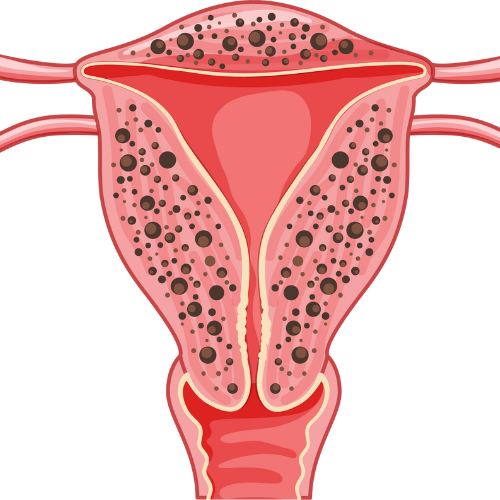
Adenomyosis Awareness and diagnosis of adenomyosis has skyrocketed in recent years but it still feels like endometriosis’s ignored step sister. What is adenomyosis? Adenomyosis is when the tissue that normally lines the uterus (endometrial tissue) grows into the wall of the uterus. The displaced tissue continues to act normally — thickening, breaking down and bleeding — during each menstrual cycle. Common symptoms of adenomyosis: An enlarged uterus Painful periods Heavy and/or long periods Painful sex Pelvic pain Can I have endometriosis and adenomyosis? Yes. Unfortunately, there are many women who appear to suffer from both. Many of the symptoms are present in both conditions and they are each challenging to diagnose. Is treatment different if it’s adenomyosis? I approach treating them in the same way as they usually have the same underlying root cause. Holistic treatment for adenomyosis: Sobada Abdominal Massage, is a relaxing and therapeutic massage that strengthens the uterus and improves blood flow to the organs in your pelvis including your ovaries and uterus. Sobada is often nicknamed womb massage or uterine massage because of its profound impact on your womb. The treatment helps to improve your overall menstrual cycle, reduce and often entirely eliminate period pain and ovulation pain. In addition, the treatment helps relax tension in your abdomen, release adhesions and return organs (including your uterus) to their optimum position. As a result you’ll feel calmer and you’ll be able to anticipate your monthly period without fear. I incorporate hand and foot reflexology to help you truly relax and return to a state of balance. Foot reflexology is very effective in improving your cycles and improving your hormone levels. In our first treatment together, I teach you a short (5-10 minute) self-care massage you can use at home to complement my treatment. If you are consistent about performing this self care massage at home, it can support you in reducing adenomysosis related symptoms and improve your fertility and overall menstrual health. Emotional support for your hormonal health: Stress can have a huge impact on your health and your menstrual cycle especially if you are dealing with a diagnosis or you suspect you have adenomyosis. I help my clients reduce their stress, anxiety and fears and concerns around their cycles using Bach Flowers, visualisation and EFT (Emotional Freedom Technique) Tapping. I believe that when you feel calm, you’re sleeping well and you generally feel good your cycles are more likely to be regular and pain free. I’m a holistic therapist and I am here to help you! I love helping women to overcome their fertility challenges and other issues related to your cycles, pregnancy, periods and/or anxiety. I treat women with abdominal and womb massage techniques known as Sobada (formally the Arvigo Techniques of Maya Abdominal Massage) and reflexology. I’m also an Advanced EFT Tapping practitioner and I work with women in particular issues around anxiety, depression, stress levels. I teach Fertility Awareness to help women better know their bodies and improve their chances of conceiving or prevent pregnancy naturally. I live in Modi’in, Israel and that’s where I spend my days helping women during their fertile years, pregnancy, menopause and other hormonal conditions. Bodywork sessions (massage and reflexology take place in my clinic in Modi’in but EFT Tapping sessions and Fertility Awareness education can take place online or in person). Learn more about working with me here. Send me a WhatsApp message FollowFollow Testimonials I came to Annette about half a year ago in the middle of a terrible endometriosis attack with extreme pains that lasted for several days. Even at the end of the first treatment I felt a reduction in pain. For several years I have tried various types of alternative treatments and never experienced anything that helped like the treatment from Annette. Since then I have been going to Annette once every week or so. After many years of taking the contraceptive pill continuously because of endometriosis I stopped the pill in order to get pregnant. I was terrified the pains would get worse once I stopped the pill. I was pleasantly surprised that I didn’t have any painful endometriosis attacks when I stopped the pill. I had also made changes to my diet with the help of a dietician who specialises in endometriosis. The month after I stopped the pill I got pregnant naturally. Annette is sensitive, professional, pleasant and very exact in her treatment. I am so happy I came to see her. I warmly recommend her to anyone with endometriosis, it was really life-changing for me. Rinat, Modi’in I came for treatment after being diagnosed with adenomyosis. I was suffering from pain all the time and I was so discouraged. The treatment allowed me to express myself, my difficult feeling and at the same time feel much better...
 English